
If back pain keeps showing up in your life, it gets old fast.
Maybe it hurts to sit at work. Maybe pain runs down into your leg. Maybe your neck locks up every morning, or someone mentioned the word “disc” and now you’re Googling at midnight trying to figure out what’s going on.
That’s usually when people in Denton start looking into spinal decompression.
Here’s what you should know before you call anyone.
What spinal decompression actually does
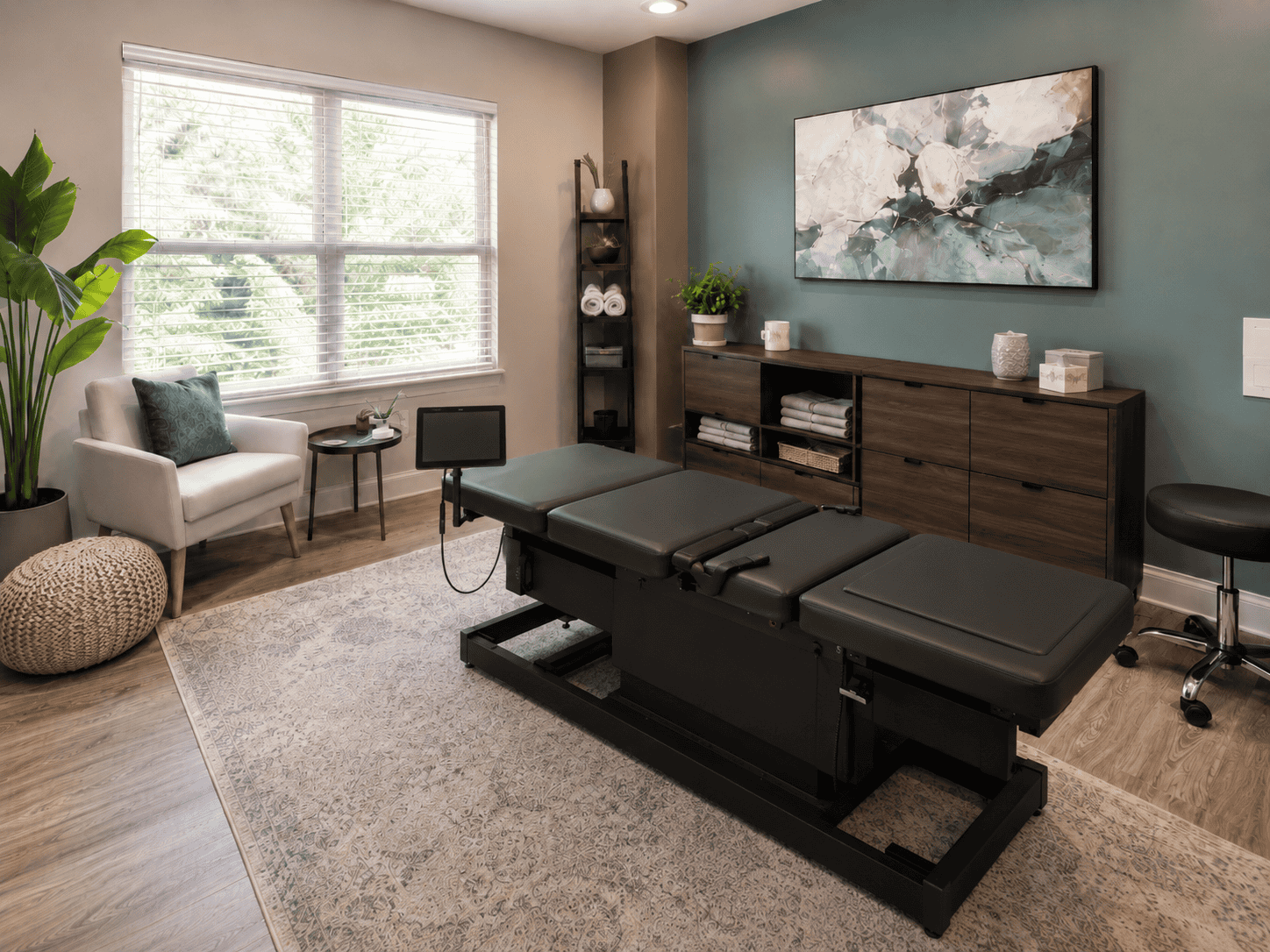
Spinal decompression is a non-surgical treatment that uses a specialized table to create a controlled, gentle stretch through targeted areas of the spine. The goal is to reduce pressure around joints, discs, and nearby nerves.
For lower back pain, the focus is usually the lumbar spine. For neck pain, it’s usually the cervical spine.
It’s not a miracle fix. It’s not right for every person or every type of pain. But for some patients dealing with disc issues, nerve irritation, or pain that won’t let up, it may be worth a real conversation with a provider who can look at your specific situation.
Why people start looking into it
Nobody Googles “spinal decompression Denton” because they’re bored on a Tuesday.
They search because pain is getting in the way of normal life.
Common reasons patients reach out:
- Pain that keeps coming back no matter what they try
- Pain that travels into the hip, leg, shoulder, or arm
- Numbness or tingling that won’t quit
- Trouble sitting, standing, or sleeping comfortably
- A herniated or bulging disc diagnosis
- Wanting to understand non-surgical options before considering anything more aggressive
A lot of patients also want care that doesn’t feel rushed. They want someone to actually explain what’s happening in plain language — not hand them a pamphlet and send them home.
How it’s different from regular traction
Traditional traction usually applies a general pulling force across a broader area. Spinal decompression is more targeted and controlled.
The goal isn’t to yank or force anything. It’s to create a measured, gentle pull aimed at a specific region of the spine. That’s why the exam comes first — the provider needs to understand where the problem may be originating before recommending a direction.
At The Spinal Decompression & Chiropractic Center in Denton, decompression is never treated like a standalone service you grab off a menu. It’s part of a personalized treatment plan built around your condition, your goals, and what your exam findings actually show.
One person’s back pain doesn’t call for the same approach as another’s.
What happens before treatment starts
Before anyone recommends decompression, the doctor should understand what’s going on first.
At SDCC, a first visit typically includes a conversation about your symptoms, orthopedic and neurological testing, range-of-motion checks, and imaging when appropriate.
Then comes the part most patients appreciate: Dr. B explains what he found in plain language. Not medical jargon. Real words — the kind you can repeat to your spouse in the car on the way home.
If your condition looks like a good fit for care in the office, the team walks you through a treatment plan and reviews the cost before you decide anything. If the clinic isn’t the right place for your situation, they’ll point you toward someone who can help.
No pressure. No runaround.
Conditions patients commonly ask about
People explore spinal decompression for a range of issues, including:
- Herniated discs
- Bulging discs
- Sciatica-type symptoms
- Chronic neck pain
- Lower back pain
- Pain radiating into the arms or legs
- Nerve irritation symptoms
Reading a blog post can’t tell you what condition you have — that takes a consultation and an exam. But if decompression keeps showing up in your search results, those are the most common reasons why.
What treatment actually feels like
Most decompression sessions are calm and low-key.
You’re positioned on the table, and the equipment applies a gentle stretch to the area being targeted. The setup depends on whether the focus is the neck or the lower back.
Some patients feel relaxed during treatment. Some take a session or two to get used to the sensation. Either way, you should be able to ask questions before anything starts.
A good provider will explain:
- What area is being addressed and why
- What the full care plan includes beyond decompression
- What other therapies might be part of your plan
- When a referral to another provider might make more sense
No guesswork. No mystery.
Is spinal decompression right for you?
Maybe. That’s the honest answer.
It could be a solid option for some Denton patients with certain back, neck, disc, or nerve-related concerns. For others, a different path might make more sense.
The best next step isn’t guessing. It’s sitting down with a provider who will listen to what you’re dealing with, look at your situation carefully, and explain your options in a way that actually makes sense.
Frequently asked questions
Most patients find treatment comfortable, but everyone’s different. If you’re nervous, ask the team to walk you through the process before you start. There’s no pressure to jump in.
It may be considered when sciatic-type symptoms are connected to disc pressure or nerve irritation. An exam is the only way to know whether it makes sense for your specific case.
Not always. Some patients benefit from X-rays or other imaging, while others may not need it. Dr. B can help determine what’s appropriate based on your symptoms and exam findings.
If you’re looking into spinal decompression in Denton, The Spinal Decompression & Chiropractic Center can help you figure out whether this type of care fits your situation. Schedule a consultation to talk through your symptoms and your options.