
If you’ve been dealing with back pain, leg pain, or that deep, nagging disc ache that just won’t quit — and someone finally said “you should look into spinal decompression” — you might be wondering what that actually means for your Tuesday afternoon.
What happens when you walk in? Will it hurt? How long does it take? What’s it going to cost?
Those are fair questions, and you deserve straight answers before you show up. Here’s what a first appointment at The Spinal Decompression & Chiropractic Center in Denton actually looks like.
—
If You Qualify for Care, We’ll Get Started Right Away
Your first visit is about getting clear on what’s actually going on — but we also don’t want to delay healing unnecessarily.
The goal is simple: understand the problem first, then get to work helping it heal as soon as possible.
That means a real exam. Not a quick once-over.
You can expect:
- Health history review — Dr. B wants to know how long this has been going on, what makes it worse, what you’ve already tried, and how it’s affecting your daily life.
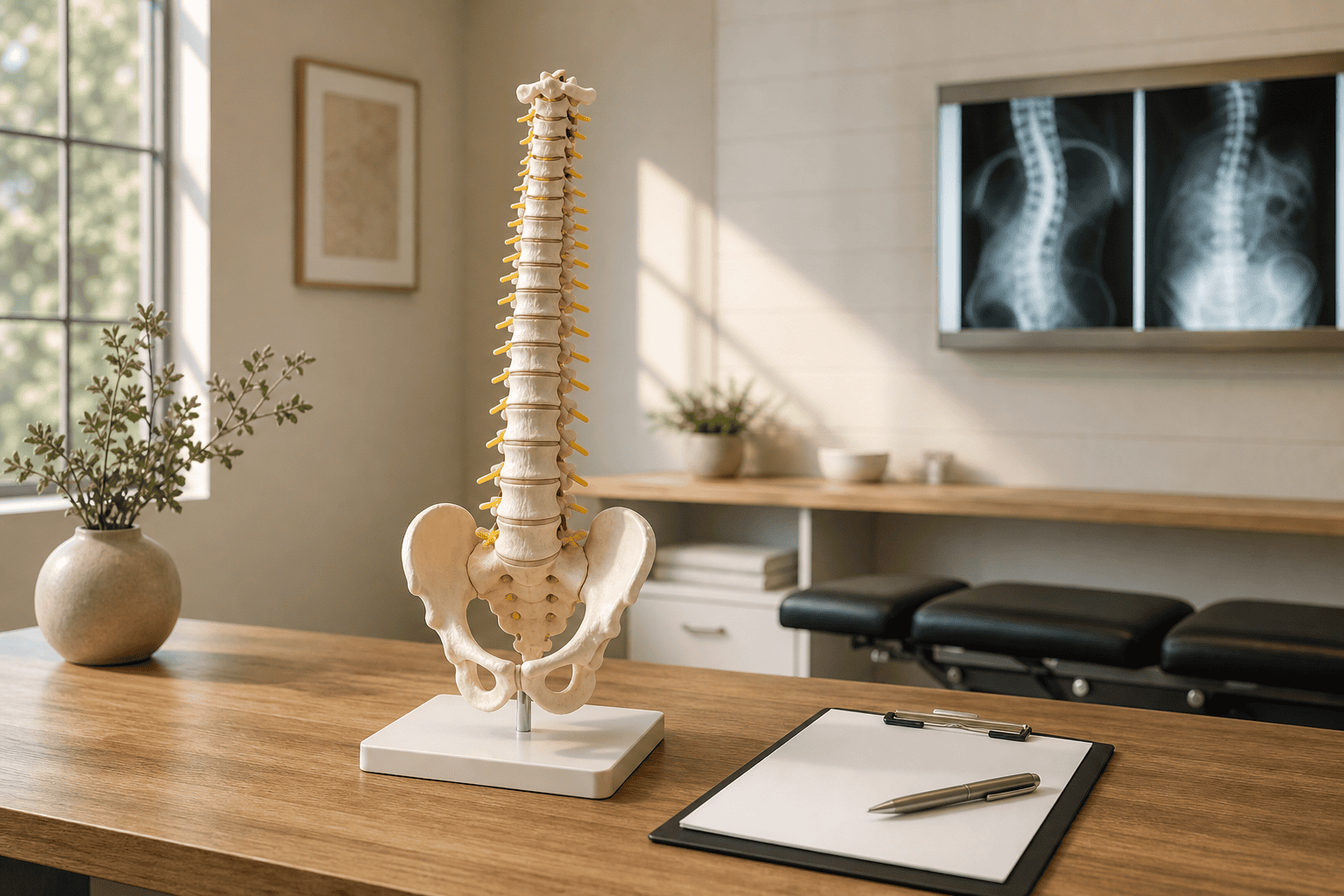
- Orthopedic and neurological testing — These are specific physical tests designed to identify where the problem is coming from and whether nerves are involved.
- Range-of-motion assessment — How your spine moves (or doesn’t) tells a story.
- X-rays when clinically appropriate — Not every patient needs them, but when the picture isn’t clear, imaging helps fill in the gaps.
Dr. B’s whole approach is what he calls “putting the hay down where the goats can get it” — meaning he explains what he finds in plain language, not medical jargon. By the end of your first visit, you’ll understand what’s going on and why a particular approach may or may not be a fit for you.
—
Honesty Is Part of the Process
Here’s something worth knowing: if spinal decompression isn’t the right fit for your condition, Dr. B will tell you. The clinic has been in Denton since 1998, and that kind of longevity doesn’t come from overselling. If you need a different type of care — surgical consultation, another specialist, or something else entirely — he’ll point you in the right direction.
Spinal decompression is designed for specific qualifying conditions, including herniated discs, bulging discs, degenerative disc disease, and certain types of sciatica and nerve pain. The exam is how the doctor figures out whether your situation is likely to respond well to this type of care.
—
If You Are a Candidate: What the Treatment Involves
If the evaluation shows you’re a good fit, Dr. B will walk you through a personalized treatment plan before anything begins. No one-size-fits-all protocols here.
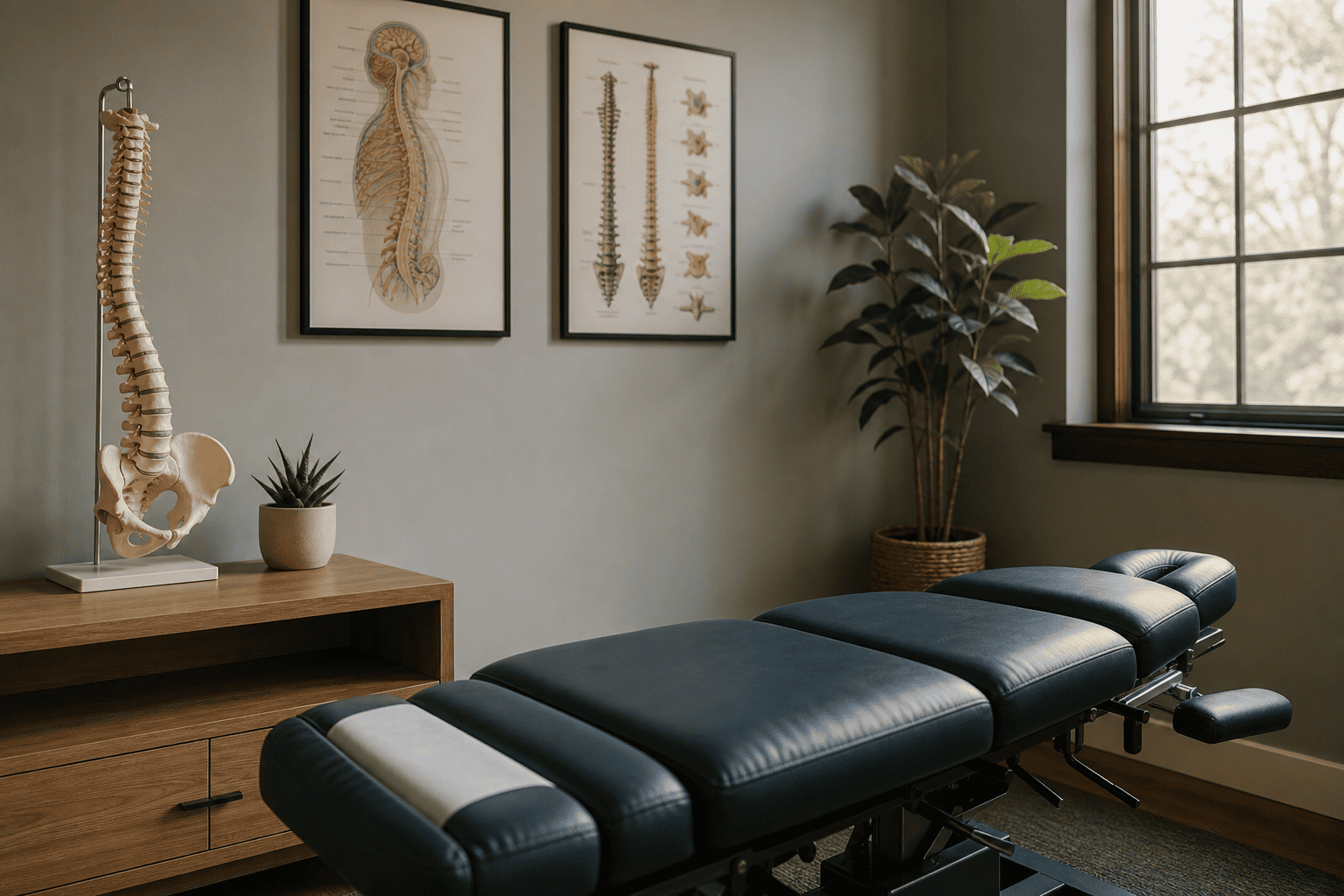
Spinal decompression itself is a non-surgical therapy that uses a computerized table to gently stretch the spine. The goal is to take pressure off compressed discs and nerves — creating space that may allow a herniated or bulging disc to begin moving back toward its normal position, and encouraging blood flow and nutrients into the disc.
During a session:
- You’ll be fully clothed and lying on the decompression table
- A harness is fitted around your pelvis (for lumbar/low back treatment) or your neck is positioned in a cervical cradle
- The computer does the work — slow, controlled, comfortable traction cycles
- Sessions typically run around 15 minutes
- Most patients find it relaxing; some fall asleep
Depending on your plan, decompression may be combined with other therapies like cold laser, shockwave therapy, or chiropractic adjustments — all tailored to your specific case.
—
Let’s Talk Money
Since the monthly theme is financial clarity, it’s a good moment to be straightforward: The Spinal Decompression & Chiropractic Center is a cash-based clinic. Treatment is paid for directly rather than billed through insurance.
This model allows Dr. B to build treatment plans based on what your spine actually needs — not what an insurance company approves. There are no surprise bills, no claim denials mid-treatment, and no one deciding your care on your behalf.
That said, the clinic can provide a superbill — an itemized receipt with the diagnostic and procedure codes — that you can submit to your insurance carrier for potential out-of-pocket reimbursement, depending on your plan.
During your first visit, you’ll get a clear picture of what a recommended treatment plan looks like and what it involves financially, so you can make an informed decision. No pressure, no upsells.
—
Patients from Denton and the Surrounding Area
The clinic draws patients from across the region — Flower Mound, Argyle, Corinth, Highland Village, Lantana, The Colony, and Little Elm. If you’ve been searching for a non-surgical spine care option near you and keep landing on Denton, that’s usually not an accident. Dr. B has been serving this community for over 25 years.
—
Ready to Have a Conversation?
If you’ve been putting up with back pain, disc problems, or sciatica long enough that you’re finally Googling your options — a consultation is a low-pressure place to start. You’ll leave knowing more about your spine than when you walked in, regardless of what you decide.
Reach out to The Spinal Decompression & Chiropractic Center in Denton to schedule your evaluation.
—
Frequently Asked Questions
How long does the first appointment take? Plan for about an hour. The initial evaluation is thorough — orthopedic testing, neurological testing, health history, and imaging if needed. Dr. B takes time to explain his findings and answer your questions before recommending anything.
Is spinal decompression covered by insurance? Non-surgical spinal decompression is generally not a covered insurance benefit, regardless of where you receive treatment. In other words, choosing a different clinic usually won’t make decompression suddenly covered by insurance.
Since you’ll likely be paying out of pocket either way, it makes sense to choose a clinic with extensive experience treating disc problems and spinal decompression. At The Spinal Decompression & Chiropractic Center, this has been one of our primary areas of focus for many years.
Will I know after the first visit whether I’m a good candidate? In most cases, yes. The evaluation is specifically designed to determine whether your condition is likely to respond to spinal decompression. If you’re not a strong candidate, Dr. B will be upfront about that and may refer you to a more appropriate provider.