
You were probably hoping it would just go away.
Maybe you tweaked your back lifting something awkward, or the pain crept in slowly over weeks. Either way, you got the MRI, you got the diagnosis, and now someone is talking to you about injections or possibly surgery. And you’re wondering if there’s something else to try first.
There often is. The path from diagnosis to the operating table doesn’t have to be a straight line, and for many people with herniated discs, it isn’t.
What’s Actually Happening Inside the Disc
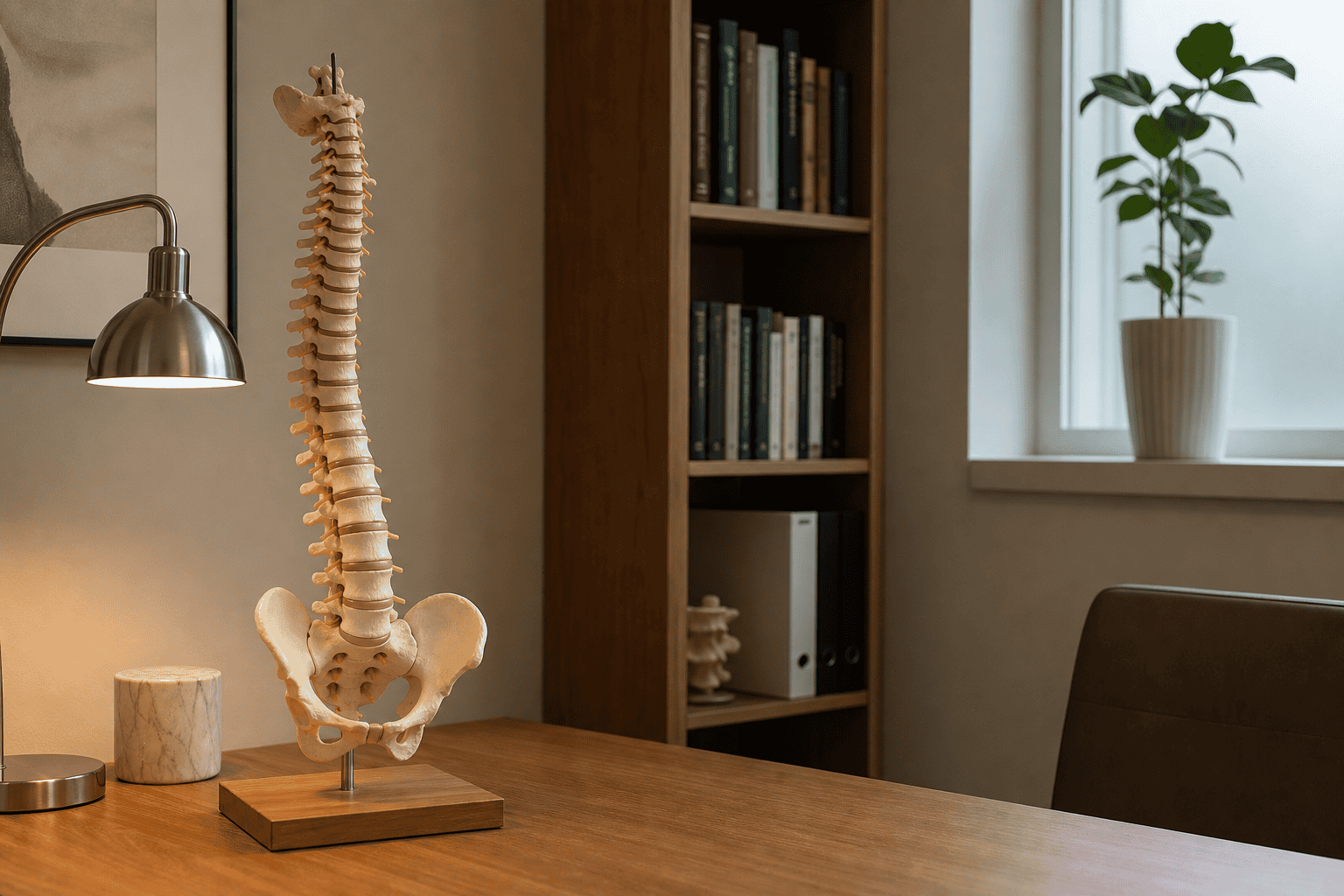
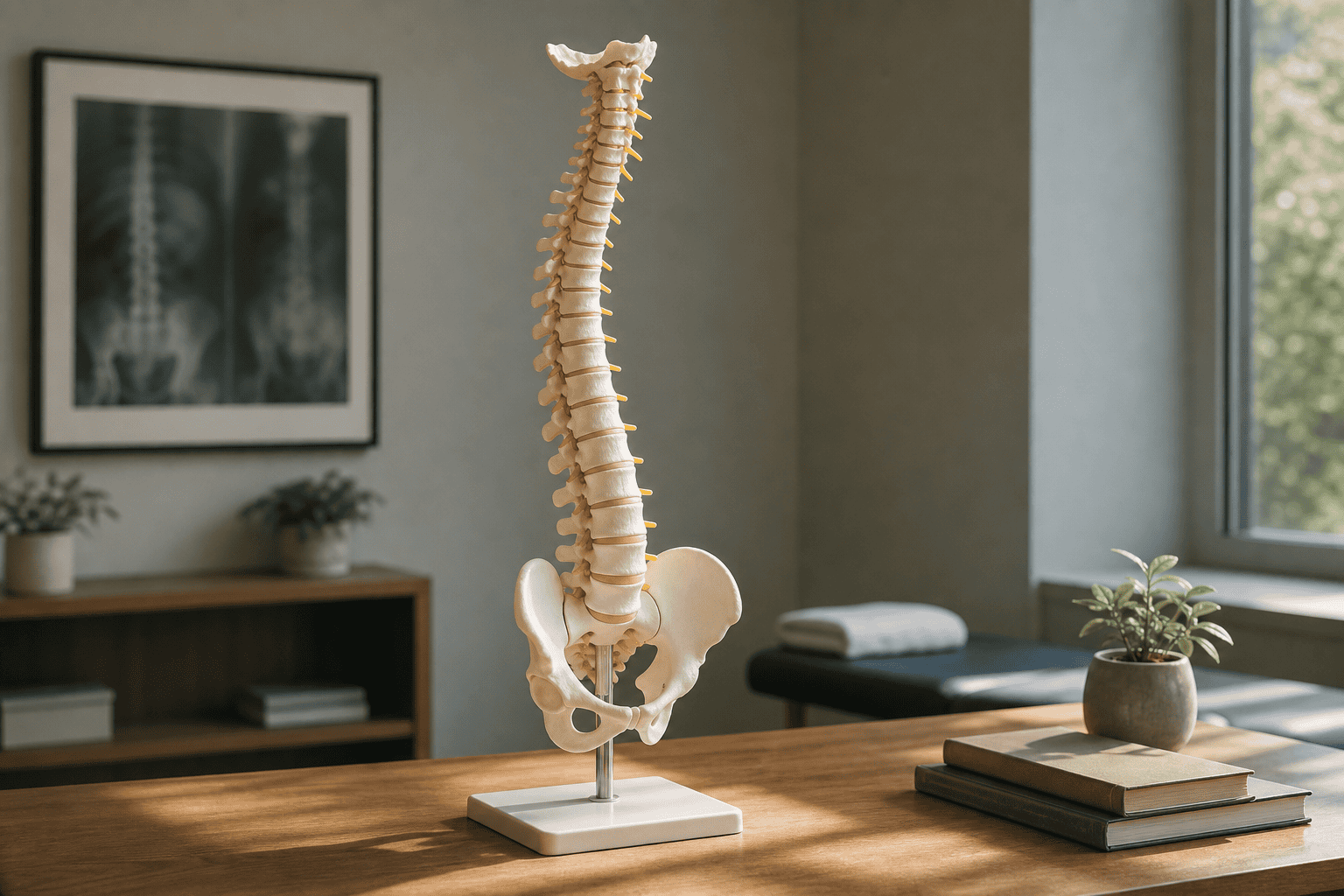
Your spinal discs are the cushions between your vertebrae. Each one has a tough outer ring (called the annulus fibrosus) and a softer, gel-like center (the nucleus pulposus). When the outer ring weakens or tears, that inner material can push outward, which is the herniation. When it presses against a nearby nerve, you get pain, numbness, tingling, or weakness, sometimes in your back, sometimes shooting down your leg or arm.
The disc itself doesn’t have a great direct blood supply, which is part of why healing can feel slow and complicated.
Why People Jump Straight to Injections or Surgery
It’s not because they want to. It’s usually because they’ve tried things that didn’t work and they’re desperate for relief.
Epidural steroid injections can reduce inflammation around the nerve and bring real temporary relief. For some people that window of relief is enough for the disc to settle down. For others, it wears off and they’re back where they started. Surgery, in the cases where it’s truly needed, can be the right call. Nobody here is going to talk you out of a procedure that’s genuinely necessary.
But “genuinely necessary” is a narrower category than it might feel like when you’re in pain and someone’s handing you surgical consent forms.
Conservative Care: What “Non-Surgical” Can Actually Mean
Before injections or surgery, there’s a range of approaches worth understanding. Not every option fits every person, and the quality of care varies a lot depending on who’s doing it and how thoroughly they evaluate you first.
Here’s what thoughtful conservative care can look like:
- A real exam first. Not just reviewing your MRI. Orthopedic and neurological testing, range-of-motion assessment, a conversation about your history. The image shows structure, but the exam shows function. Both matter.
- Chiropractic adjustments. These can relieve stress around an injured disc, improve joint motion, and reduce muscle guarding and nerve irritation. That relief is real, and it’s meaningful. But for a significant disc herniation, adjustments tend to provide temporary relief. They address what’s happening around the disc. They don’t address the disc itself.
- Spinal decompression. This is a different tool for a different job. Where an adjustment works on the joints and surrounding structures, decompression is designed to work on the injured disc directly.
How Spinal Decompression Addresses the Disc
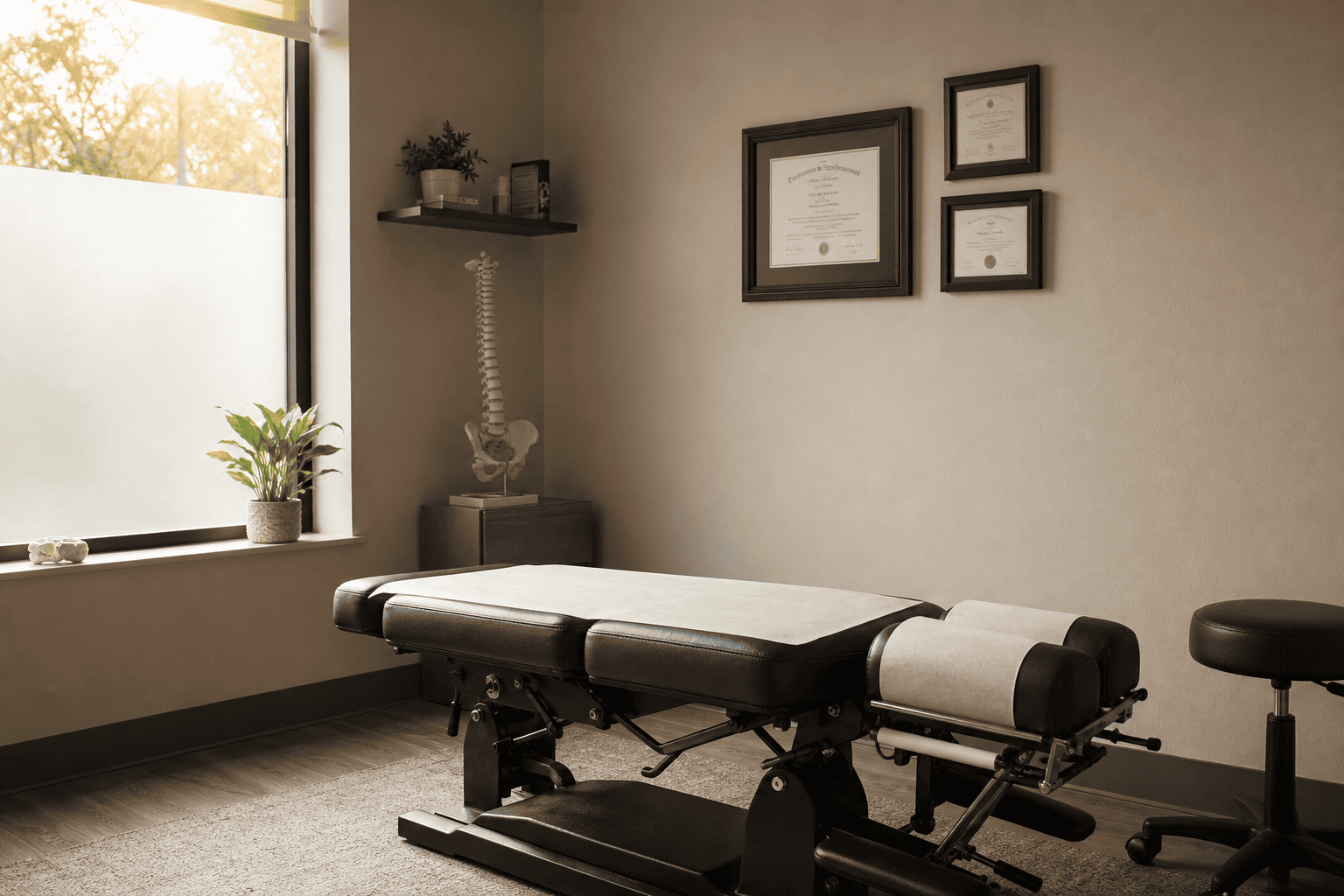
Dr. B describes it in plain terms: “suck the jelly back in and pump nutrition into the disc.”
Here’s what that actually means. Using a computerized decompression table, the computer does the work of applying gentle, precise traction in a carefully controlled pattern. That repeated loading and unloading creates a low-pressure environment inside the disc, a kind of vacuum effect, that may help draw bulging or herniated material back toward the center. At the same time, the pumping action helps move water and nutrients into the disc tissue, which supports the disc’s ability to heal in an environment that doesn’t get great circulation on its own.
This is why spinal decompression, for qualifying disc cases, is the main event. Chiropractic adjustments are still part of the picture, supporting the spine and the structures around the disc. But if the disc itself is the problem, decompression is the treatment designed to address it.
Not everyone is a candidate. There are conditions that make decompression inappropriate, and if someone comes in who isn’t a good fit, they’ll be told that clearly and referred to someone who can help them better.
What the Evaluation Looks Like Here
At The Spinal Decompression and Chiropractic Center in Denton, every new patient goes through a thorough exam before any treatment is recommended. Orthopedic tests. Neurological tests. Range of motion. X-rays when they’re appropriate. Dr. B reviews everything and explains what he’s seeing in language that makes sense, not to impress you, but because you deserve to understand what’s going on in your own spine.
If you qualify for care, treatment can begin on that first visit.
The clinic has been in Denton since 1998, and has worked with more than 8,000 patients across the area, including folks from Flower Mound, Argyle, Corinth, Highland Village, and surrounding communities. That’s a long track record of helping people figure out what to try before more invasive options.
The Decision Isn’t Binary
Injections and surgery aren’t the enemy. Sometimes they’re the right answer. The goal is just to make sure you’ve genuinely explored what might work before going there, not as a delay tactic, but because the right conservative care, done properly, can make a real difference for qualifying patients.
If you’re living with a herniated disc and wondering whether there’s a real next step before a procedure, a conversation is a good place to start.
Contact The Spinal Decompression and Chiropractic Center in Denton to schedule a consultation. Dr. B will tell you honestly whether you’re a candidate for care, and if you’re not, he’ll point you in the right direction.
—
Frequently Asked Questions
Can a herniated disc heal on its own without treatment? Sometimes, yes. Disc herniations can partially reabsorb over time, and mild cases sometimes improve with rest and movement modification. The challenge is that the timeline is unpredictable and the pain in the meantime can be significant. And most just get worse without treatment and can end up causing permanent nerve damage. For more pronounced herniations, especially those causing nerve symptoms, waiting without a plan isn’t always the most practical option.
Is spinal decompression the same as regular traction? They’re related but not the same. Traditional traction applies a steady pull. Computerized spinal decompression uses a precise, computer-controlled pattern of tension and release that’s designed to create a low-pressure environment inside the disc without triggering the muscle guarding that often comes with steady traction. The computer does the work of maintaining that specific pattern throughout the session.
How do I know if I’m a candidate for spinal decompression? You won’t know until you’ve been evaluated. There are conditions, including certain types of fractures, severe osteoporosis, and some surgical hardware situations, that may make decompression a poor fit. That’s exactly why the exam comes first. Dr. B isn’t going to put someone on the table who shouldn’t be there, and if you’re not a candidate, he’ll tell you and help you figure out what comes next.