
You’ve been dealing with back pain long enough that surgery has entered the conversation — either from a specialist, a Google search at midnight, or both. Before you commit to anything, it’s worth slowing down and looking at what your options actually involve.
This post compares spinal decompression therapy with back surgery in plain, honest terms. Not to steer you away from surgery if you need it, but to make sure you’re going in with a clear picture.
What Each Option Actually Does
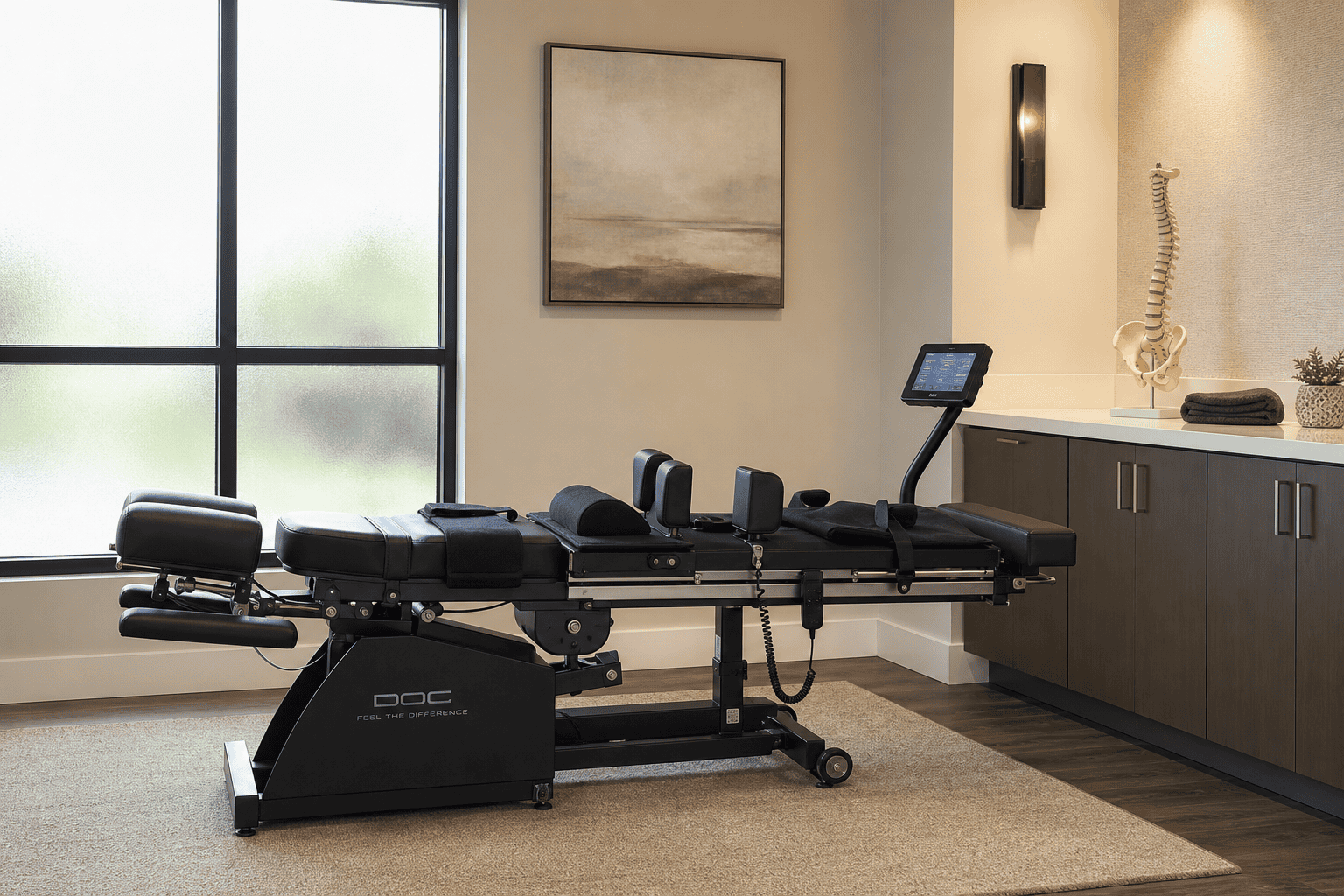
Spinal decompression therapy uses a computerized table to gently stretch the spine in a controlled, precise way. The goal is to create a gentle vacuum pressure inside the spinal discs — essentially giving compressed, bulging, or herniated discs a chance to rehydrate and retract off the nerve tissue they’re irritating. It’s non-invasive, done in-office, and designed to work over a series of sessions as part of a broader treatment plan.
Back surgery is a broad term, but the most common procedures for disc-related problems include discectomy (removing part of a damaged disc), laminectomy (removing bone to relieve pressure on nerves), or spinal fusion (connecting vertebrae together to reduce movement). These are structural interventions, performed under anesthesia, with recovery timelines that typically range from weeks to months depending on the procedure.
One works with the spine’s natural mechanics. The other physically alters them.
Who Might Benefit from Decompression
Spinal decompression therapy is generally considered for patients dealing with:
- Herniated or bulging discs
- Degenerative disc disease
- Sciatica (nerve pain radiating into the leg or foot)
- Facet syndrome
- Spinal stenosis (narrowing of the spinal canal) in qualifying cases
The key phrase is qualifying conditions. Not everyone is a candidate. At The Spinal Decompression & Chiropractic Center in Denton, Dr. Baugher runs a thorough intake before any treatment begins — orthopedic tests, neurological screening, range-of-motion assessment, and X-rays when clinically appropriate. If decompression isn’t the right tool for your situation, he’ll tell you directly.
As Dr. B puts it, his job is to “put the hay down where the goats can get it” — which means explaining what he finds in terms you can actually use to make a good decision.
Who May Need Surgery Instead
There are situations where surgery is the appropriate path, and no responsible non-surgical provider would suggest otherwise. These can include:
- Severe neurological loss, such as progressive weakness, numbness, or loss of bladder/bowel control
- Structural instability in the spine that conservative care can’t address
- Cases where conservative treatment has been genuinely exhausted without improvement
- Fractures, tumors, or infections affecting the spine
If a patient comes in and their clinical picture suggests they need a surgical evaluation, Dr. B refers them out. He has been practicing in Denton since 1998, and that kind of honesty is a big part of why patients from Flower Mound, Corinth, Argyle, and Highland Village have been making the drive for decades.
The Risk and Recovery Comparison
This is where many patients haven’t thought things all the way through.
Surgery carries real risks, including:
- Infection at the surgical site
- Nerve damage during the procedure
- Failed back surgery syndrome — ongoing or new pain after a procedure
- Lengthy rehabilitation and time off work
- In fusion cases, added stress on adjacent vertebrae over time very often ends up with an adjacent fusion becoming necessary in the future
Spinal decompression therapy, by contrast, is non-invasive. Side effects are generally mild and temporary — some patients notice minor soreness after early sessions, similar to starting a new exercise program. There’s no anesthesia, no incision, and no recovery downtime.
That doesn’t make decompression right for every situation. But for patients who haven’t exhausted conservative options, it’s a meaningful first step before accepting the risks and permanence of surgery.
The Timeline Question
Surgery can feel like the faster solution, especially if you’ve been in pain for months. But recovery from spinal surgery often takes longer than patients anticipate — six weeks to three months is common for less invasive procedures, and spinal fusion recovery can stretch considerably longer.
A spinal decompression treatment plan at our Denton clinic typically runs 15-30 sessions over several weeks, depending on the patient’s condition and response. Patients often notice gradual improvement as the plan progresses. It’s not instant, but neither is surgical recovery — and decompression doesn’t carry the same structural consequences if outcomes aren’t what you hoped.
What the Research Suggests
Studies on non-surgical spinal decompression have shown encouraging results for disc-related conditions, particularly herniated discs and degenerative disc disease. That said, research quality varies, and no treatment is universal. The same is true of surgery — back surgery outcomes depend heavily on the specific procedure, the patient’s condition, and how carefully candidates are selected.
The honest answer is that both have roles to play, and the best choice depends on a thorough evaluation of your individual situation.
Before You Schedule Anything
If you’re weighing these options, a few practical suggestions:
- Get a clear diagnosis first. Imaging that shows exactly what’s happening with your discs and nerves matters before choosing a path.
- Ask about conservative care first. Many surgeons — including the good ones — will recommend exhausting non-surgical options before going to the OR.
- Understand what “success” looks like for each option. Ask both providers what improvement looks like and over what timeframe.
- Make sure you’re a real candidate. A thorough evaluation matters more than any single treatment modality.
The Spinal Decompression & Chiropractic Center is a cash-based practice, though superbills are available for patients who want to pursue out-of-network reimbursement through their insurance. The focus is on building a personalized treatment plan — not offering menu-style services.
If you’re dealing with disc pain, sciatica, or chronic back trouble and you’re not sure what the right move is, a conversation with Dr. B is a low-stakes place to start.
—
Frequently Asked Questions
Is spinal decompression a replacement for back surgery? For patients with qualifying conditions, it can be a highly effective non-surgical alternative. For others, surgery is the appropriate next step. The only way to know is through a proper evaluation — not a general comparison online.
How does Dr. Baugher determine if I’m a candidate for decompression? Dr. B runs a comprehensive intake that includes orthopedic and neurological testing, range-of-motion evaluation, and X-rays when indicated. If decompression isn’t appropriate, he’ll say so and point you toward the right resource.
Can I try spinal decompression after I’ve already had back surgery? Almost always yes. Allow 3 months after a discectomy and 6 months after a laminectomy or a fusion. This is one of the first questions Dr. B addresses during the evaluation process.